Wednesday, August 09, 2006

Chartres V: Outside


Yeah, I really do love that cathedral.

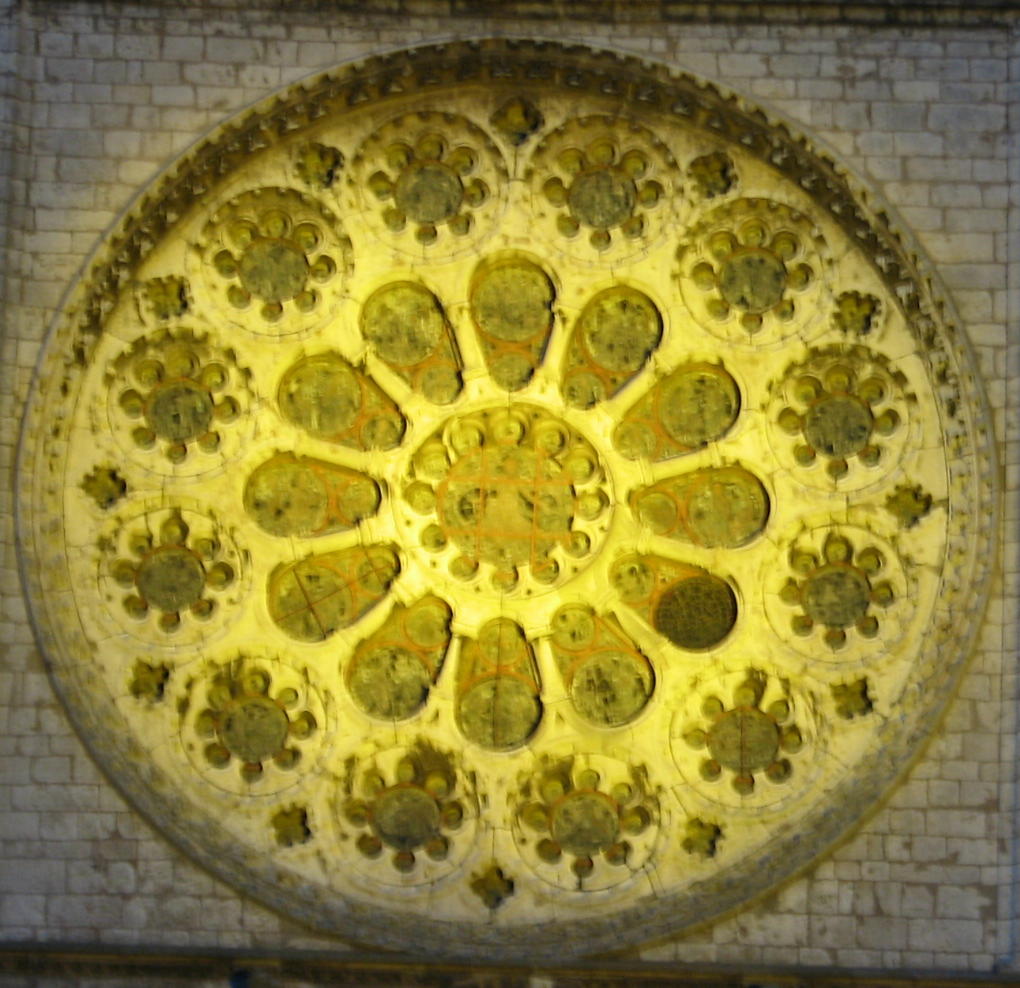
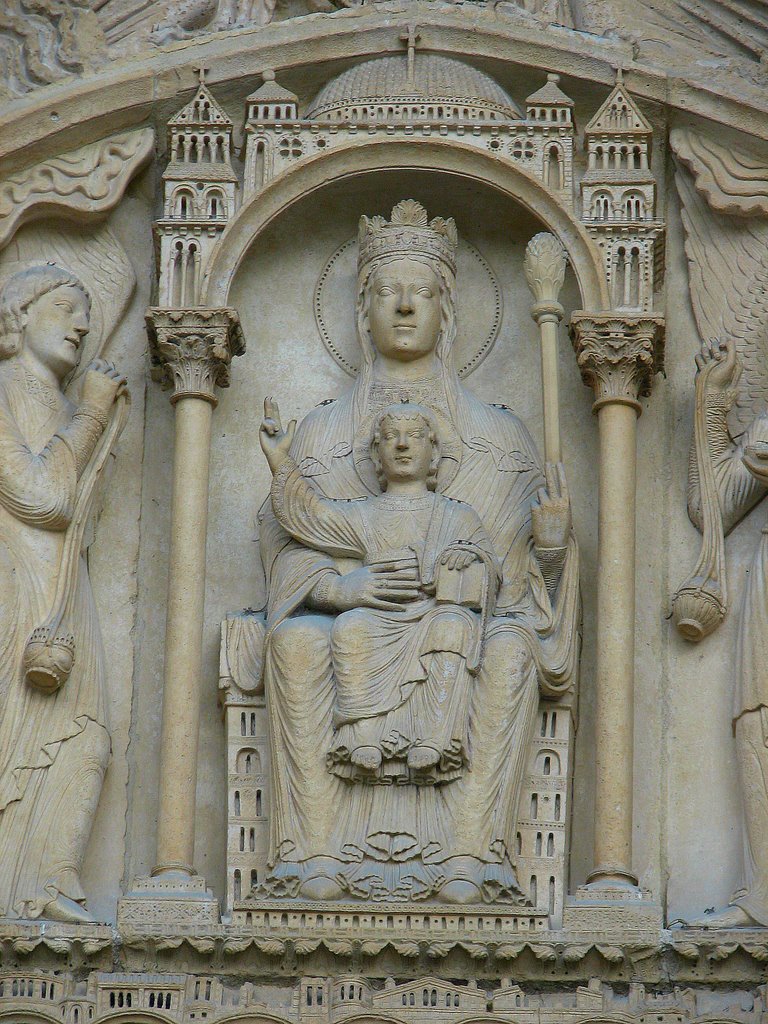
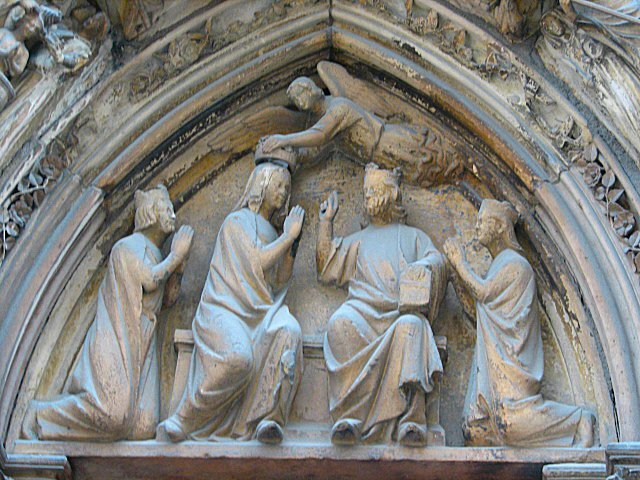
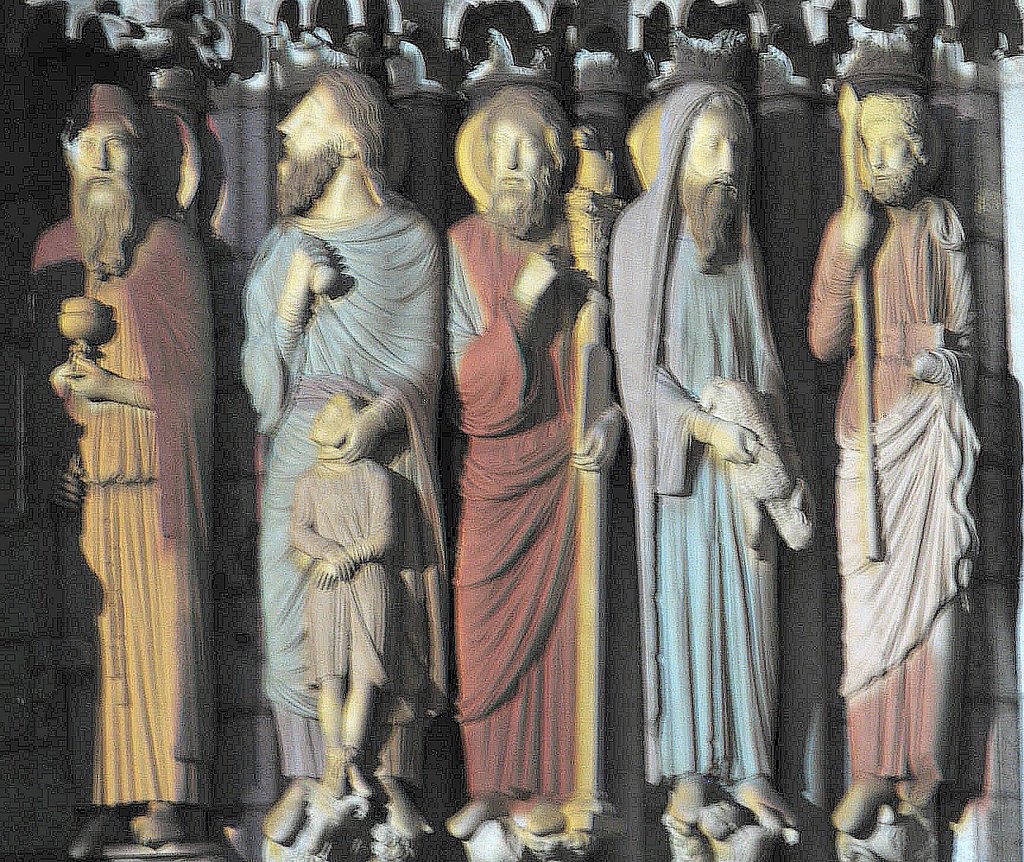
The second to last photo is of the evening light show. Much of the sculpture was originally painted and restorers are working on figuring out what the colors would have been and whether to replicate them. In the meantime, the lights might give us an idea. Malcolm Miller says that the light designers have it all wrong, and maybe they do, but I think it's terribly difficult to imagine the sculptures in a variety of hues, and the lights do help at least to provide an idea of what they might have looked like.

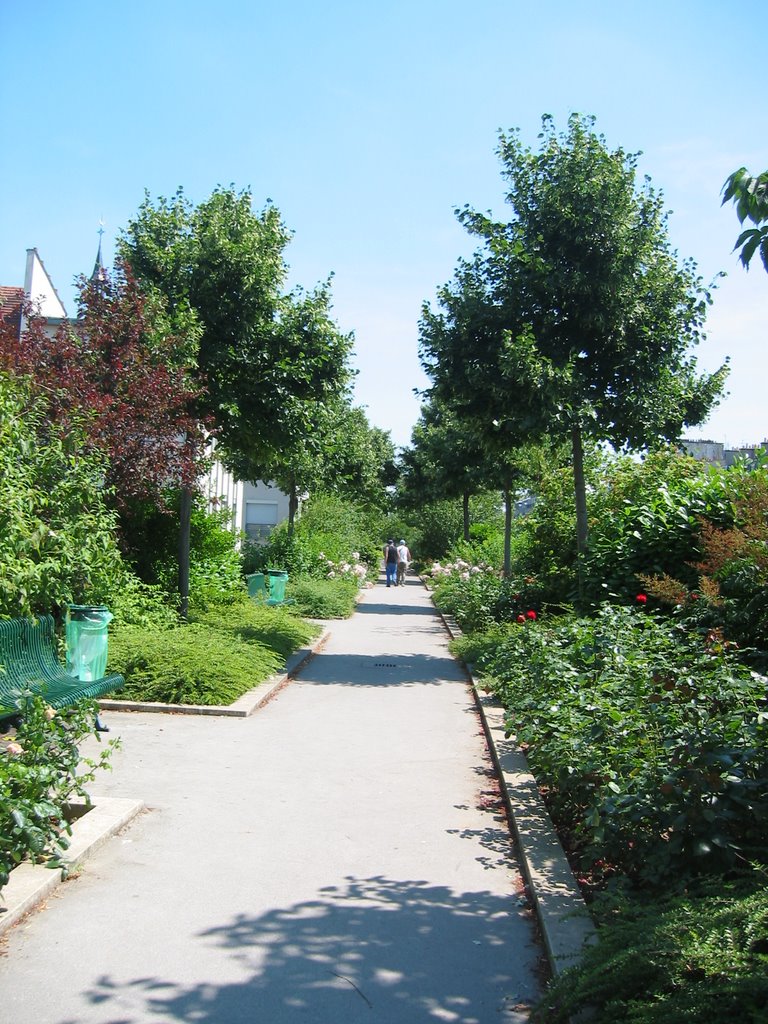
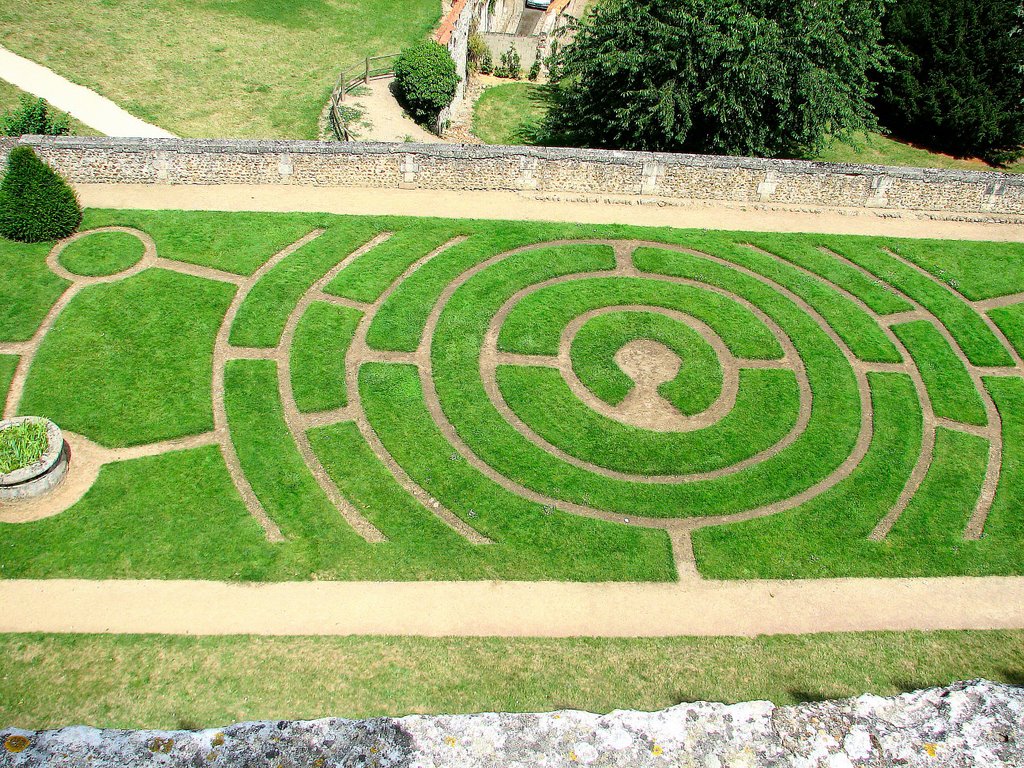
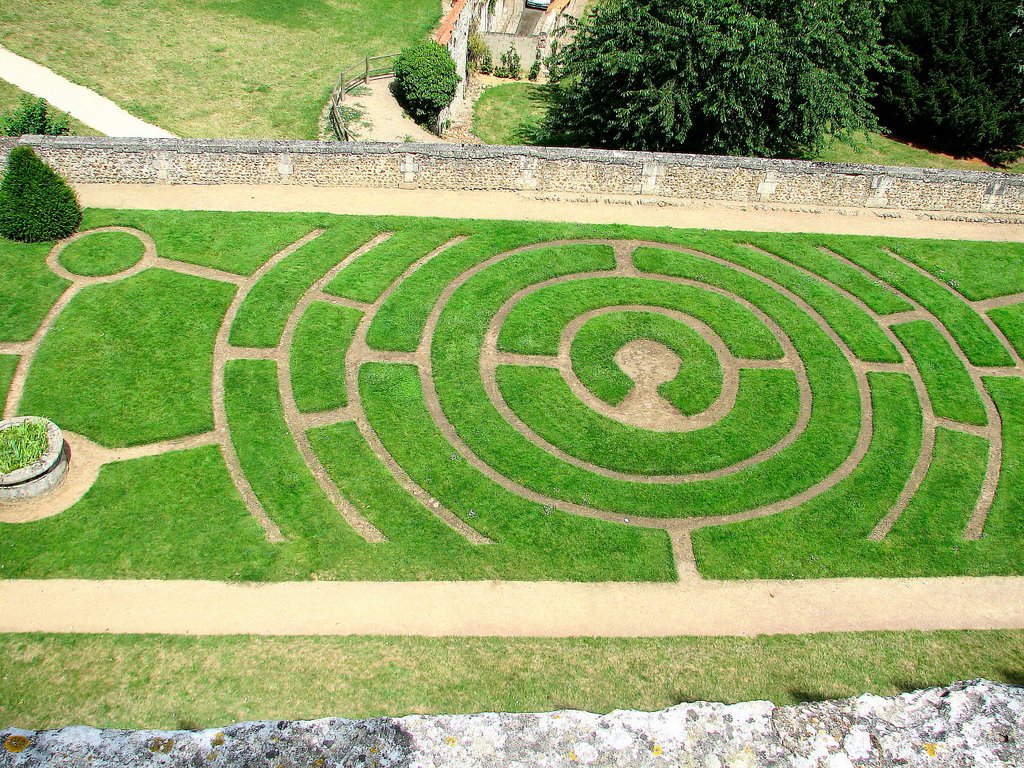
The last photo is of a "pretend" labyrinth (as you can see, you can't really walk it) way down below the cathedral. I went there early both mornings for some time alone. The first morning there was a man there MOWING and, believe me, he was in no hurry to finish. I was so disappointed. But the next morning I was able to sit there in peace for awhile.

The real labyrinth, inside, is covered with chairs except on Fridays, and we weren't there on a Friday. So I "walked" it insofar as you can walk a labyrinth by taking a few steps, then trying to outline with your finger in the air and one eye closed where the path goes next until you can pick it up an aisle or two of chairs away, then walk a few more steps, and continue the process until you land in the middle. I'm sure anyone watching me thought that I was nuts. Or maybe they just wished that they had the nerve to stand in the middle of a cathedral drawing half-circles in the air!

Tuesday, August 08, 2006

Chartres IV: And More Windows

Ambulatory Window and Piers

The Prodigal Son Returns Home

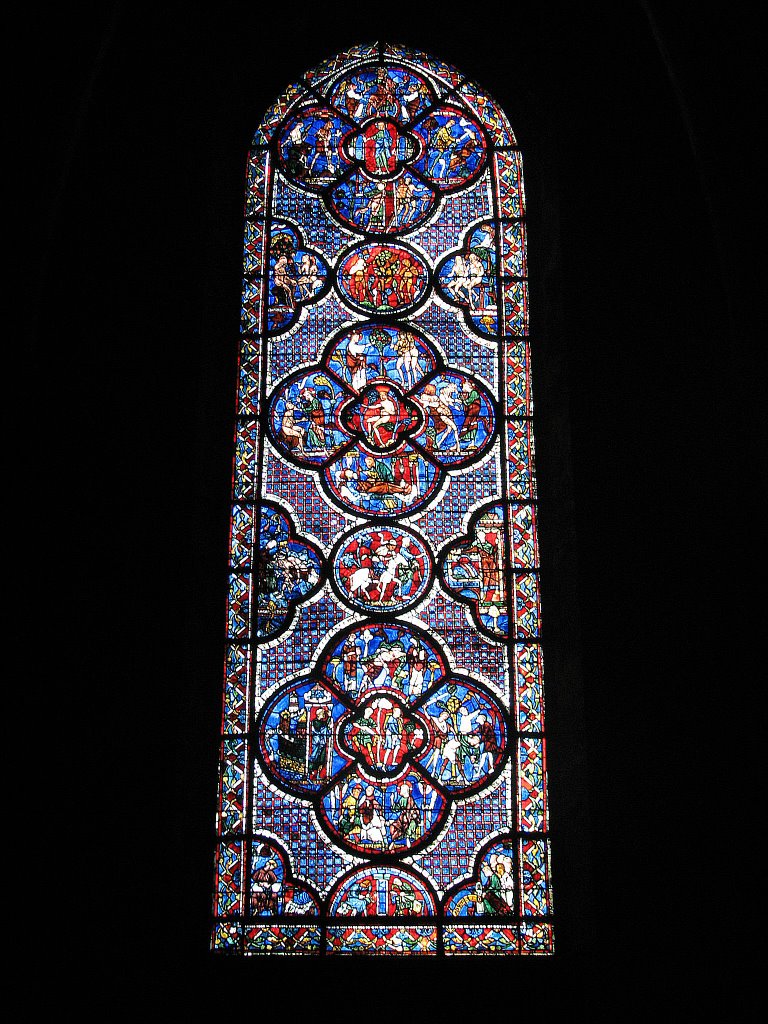
The Good Samaritan and Adam and Eve Window: God Places Adam in the Garden
The Good Samaritan and Adam and Eve Window

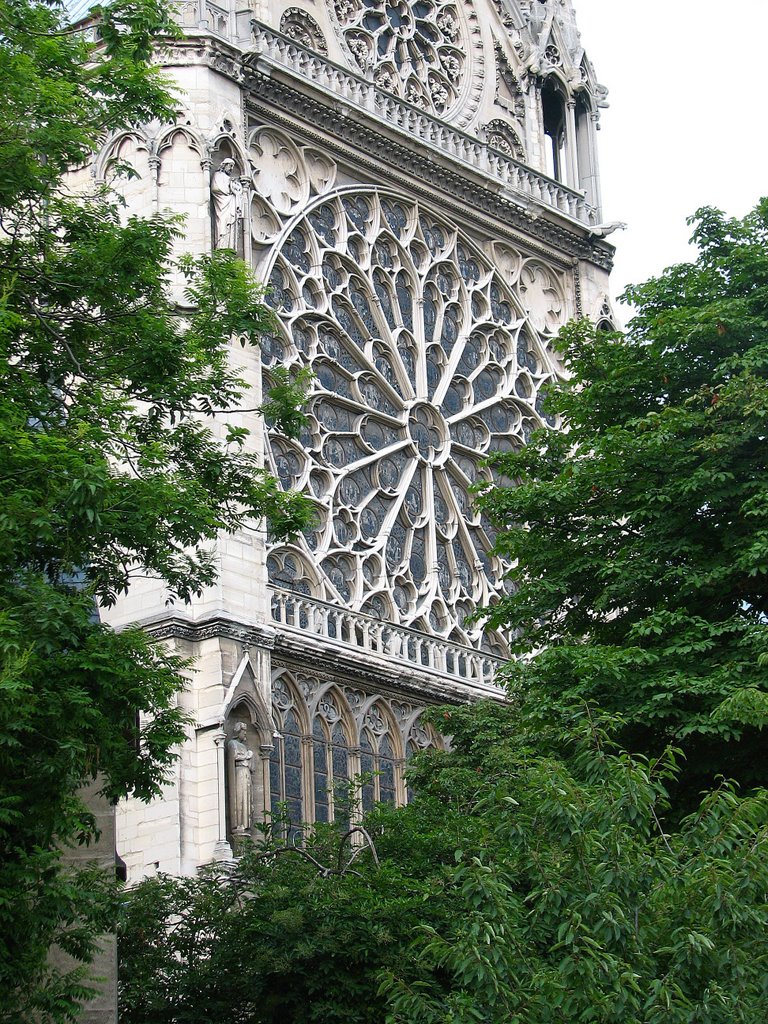
The South Rose Window: The Apocalyse, with Mary Underneath, Framed by the Four Major Prophets of the Old Testament Carrying the Four New Testament Evangelists

The West Rose Window: Christ's Second Coming as Judge

Chartres III: Windows

I am a great fan of the medieval imagination.

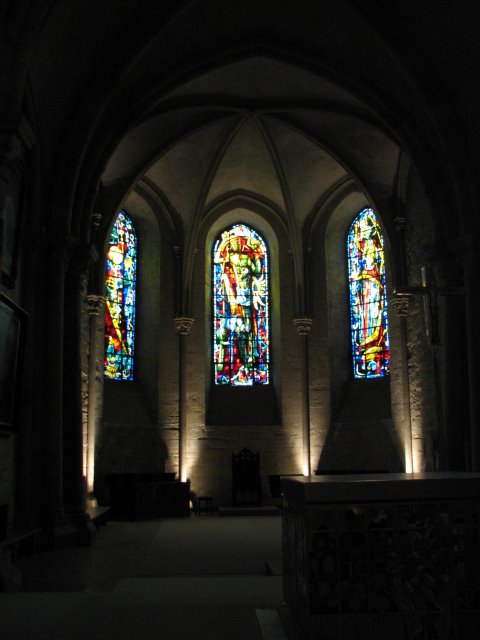
In the first place, the unknown stained-glass artists of Chartres, trying to make the stories of the Bible come alive for a largely illiterate population of pilgrims, did not hesitate to enlarge upon the basic texts in colorful and detailed ways. Thus we have the dramatically vivid red, yellow, and green ark and pink vultures of the Noah Window; the Prodigal Son's misadventures, which in the Chartres version involve loose women and gambling; and Mary Magdalene's arrival in Provence.

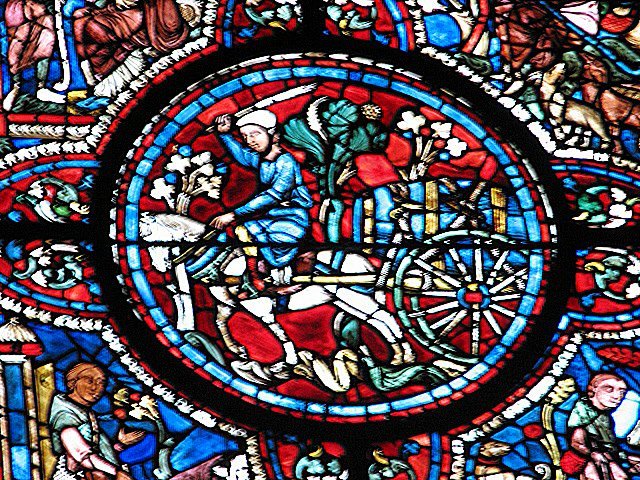
Secondly, many of the windows were paid for by the various guilds of the city, and they themselves -- pharmacists, shoemakers, wheelmakers, etc. -- are represented in numerous windows.

And finally, many of the windows explicitly connect the stories of the Old Testament to those of the New -- a feature that my own Jewish students would find disturbing, but that medieval pilgrims to Chartres would have characterized as reassuring and instructive.

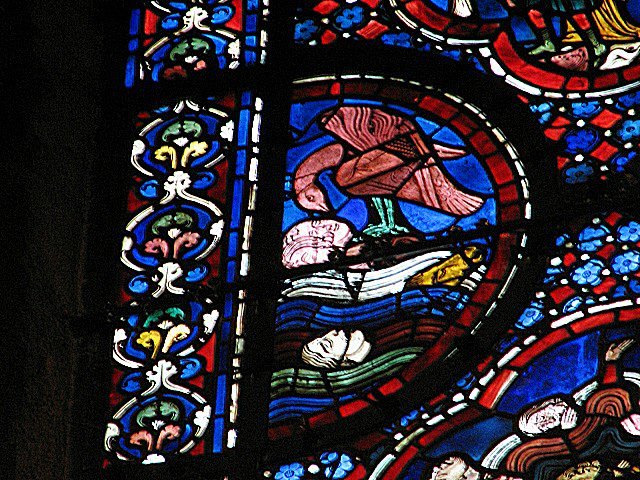
From the Noah Window: Vultures finish off the drowned.

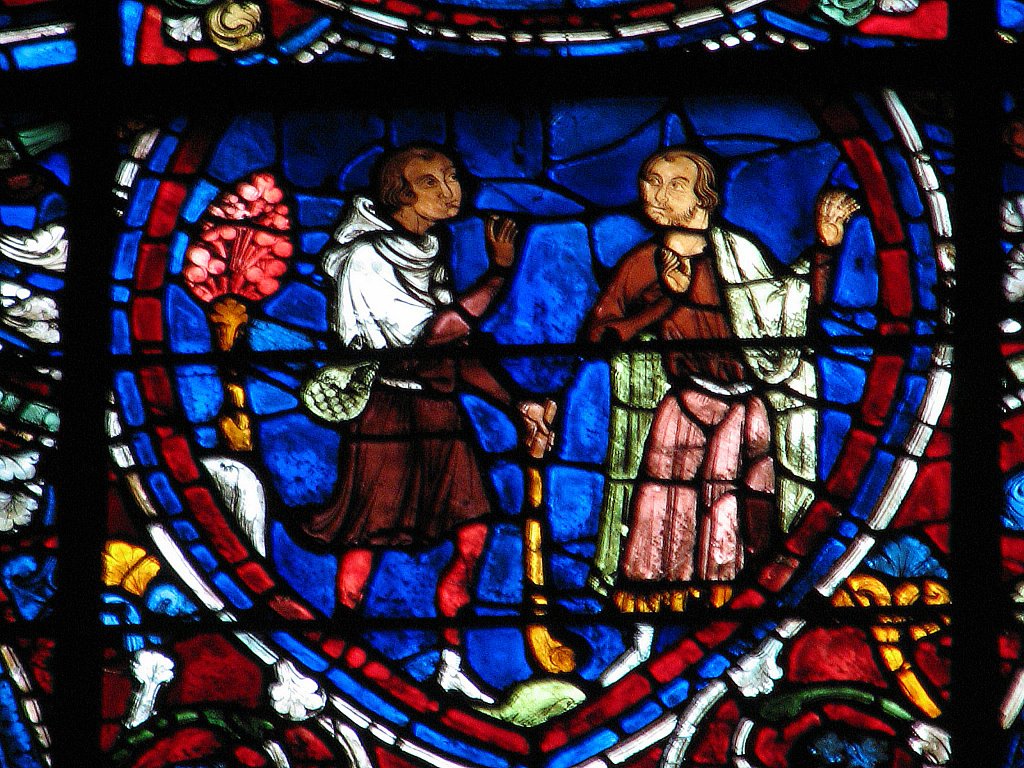
I can neither remember nor find what this one is. I'm guessing, due to the barrel, that it's a donor window -- wine or beer merchants?

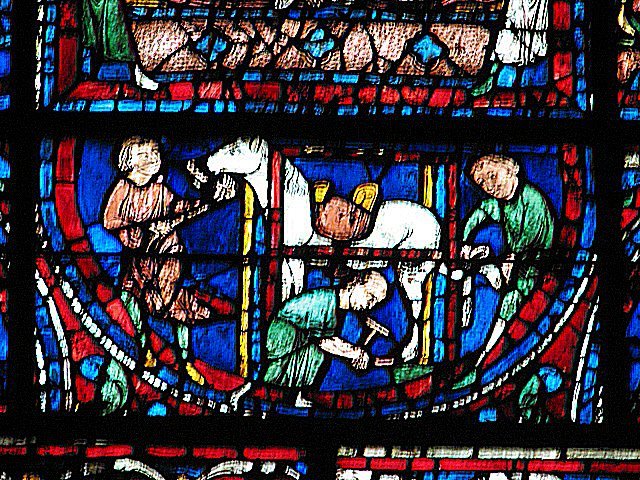
One of the Donor Windows: The Farriers (Donors of the Window of the Redemption).


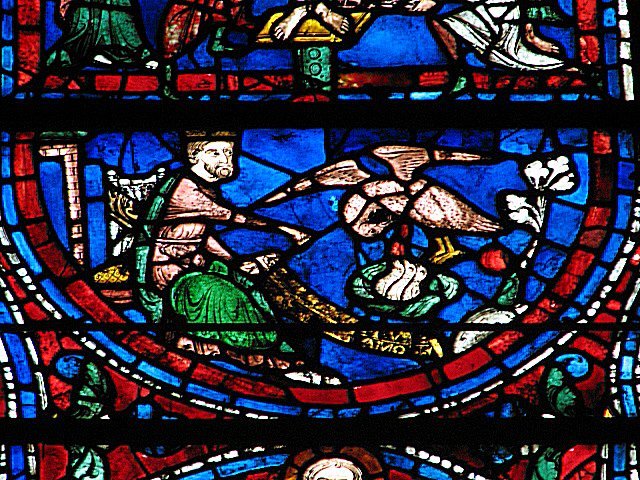
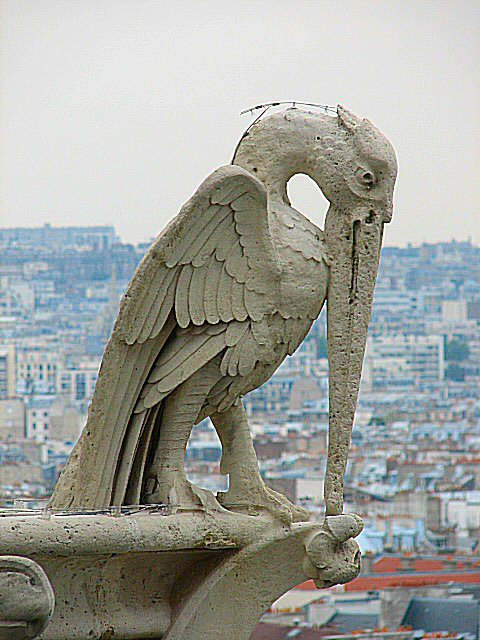
The Redemption Window: King David sits with a pelican feeding her young her own blood -- symbolism obvious (see the gargoyle pelican in the July 30 entry).

Chartres II

As I believe I mentioned before, we had been to Chartres once before, on New Year's Day 2002. On that particular day the temperature was, as it had been all week, somewhere between 15 and 20 degrees F and, as we rode the bus out there, it suddenly dawned on me that an 800-year-old building would not be centrally heated, and that we would be frozen ALL DAY. And, indeed, we were. But that didn't stop us from admiring the cathedral as it rose into the deep blue January sky, and it didn't stop me from making plans for a return.

This past July, we took the train from Paris to spend two days there. The focus of our visit was the cathedral which, like our hotel, is a few blocks from the Chartres train station. We wandered around the cathedral itself, inside and out, day and night. We took two Malcolm Miller tours -- Mr. Miller is an English gentleman who has been guiding at the cathedral for nearly 50 years. He arrived as an undergraduate student working ona thesis for his French major, and essentially never left. We attended a choral performance by a group of high school students from England -- what an opportunity for them! -- and we stood outside one evening and listened to an organ rehearsal.
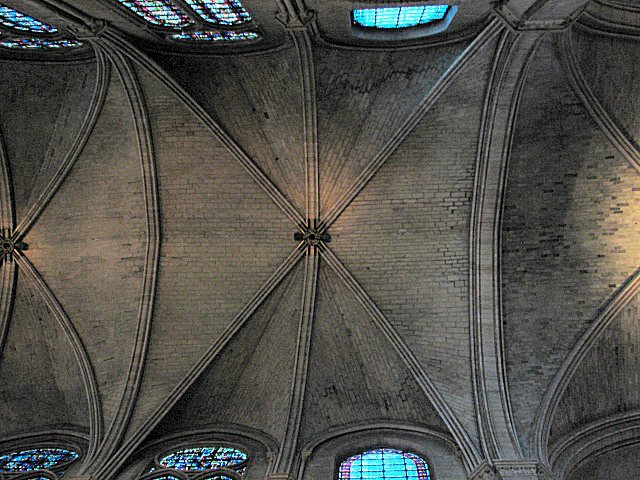
The cathedral as it exists today is mostly the 1260 version. At least five known cathedrals were constructed on the site (and various unsubstantiated myths and legends locate pre-Christian Druidic traditions there). A cathedral is the seat of a bishop in the Catholic Church -- and a Chartres cathedral was destroyed in 743 when the city was sacked by the Duke of Aquitanne. Another one was destroyed by the Vikings in 858, and a third was consecrated in 876. In the late 900s-early 1000s, Chartres became one of the most famous schools in Europe under scholar and, eventually, Bishop Fulbert. When the cathedral was destroyed by fire in 1020, he went to work on a design whose remains structure the present building, itself built 1194-1260 after Fulbert's cathedral was destroyed by fire.

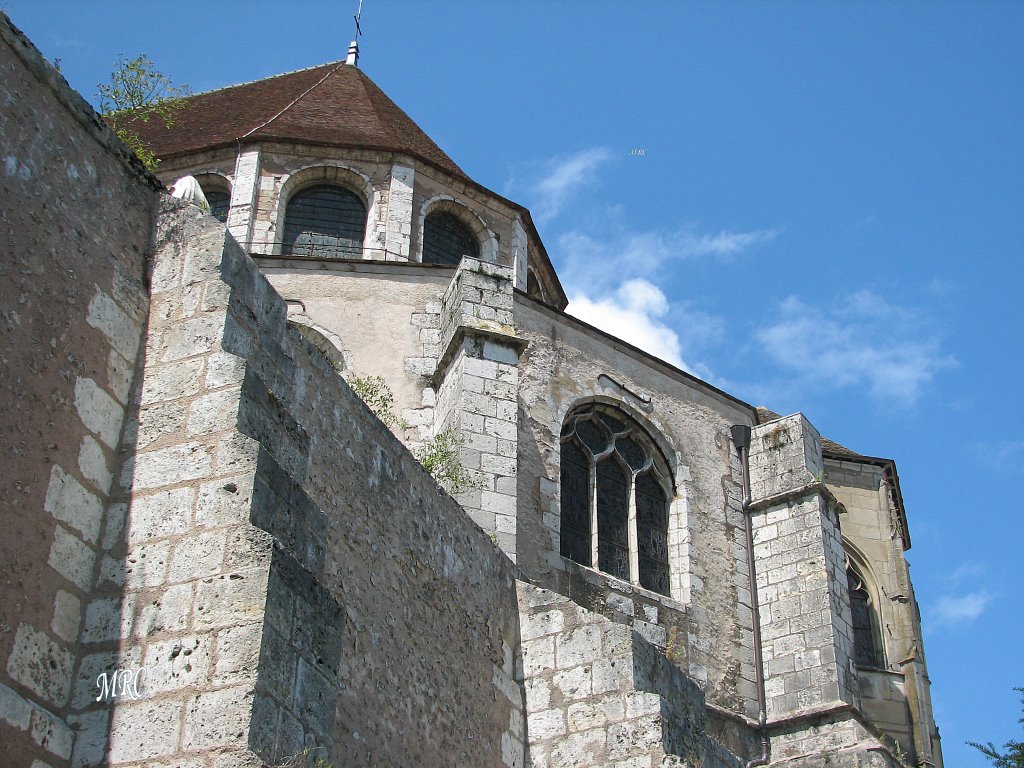
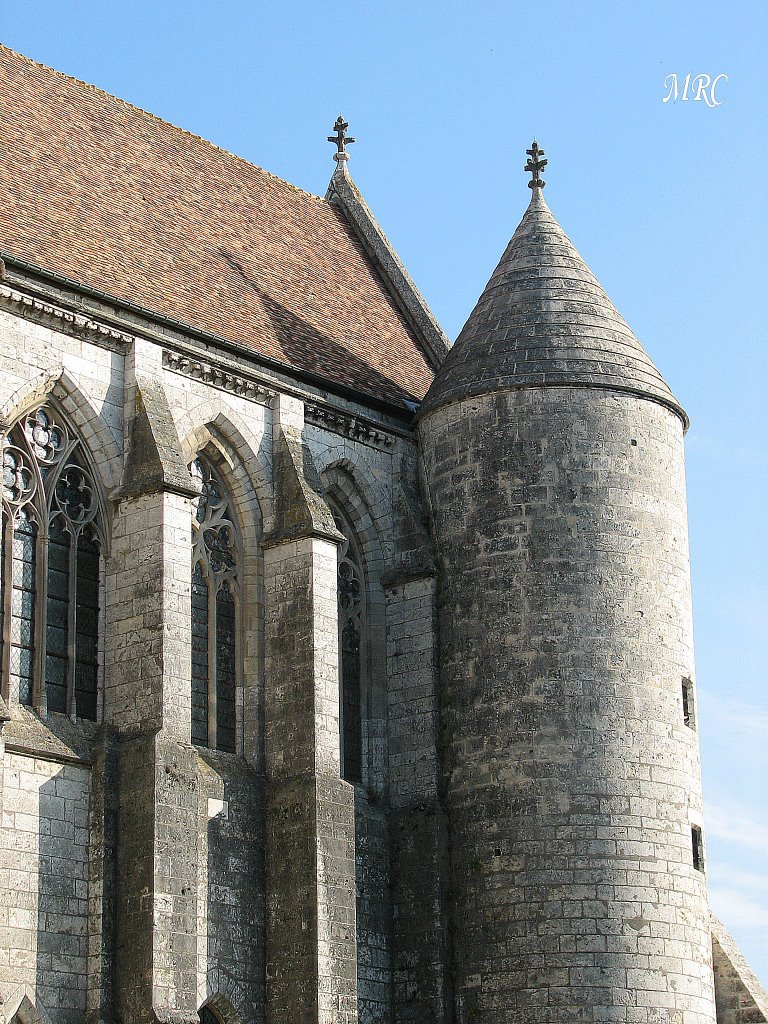
These images represent a tiny bit of Chartres Cathedral. For whatever reason, Blogger is refusing to pick up any more at the moment, so I'll try another entry with other windows later.

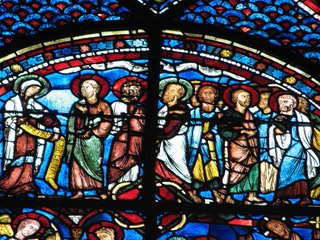
From the Mary Magdalene Window: Mary Magdalene announces the Resurrection to the Disciples.

From the Peace Window, given by the German Friends of Chartres in 1971.

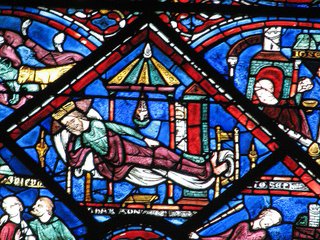
From the Joseph Window: Pharoah dreams (you can see the cows in this image).


Monday, August 07, 2006

Chartres I

Reasons that might explain why Notre Dame de Chartres Cathedral is one of my Top Ten Places on the planet, maybe even one of my Top Five or Top Three:

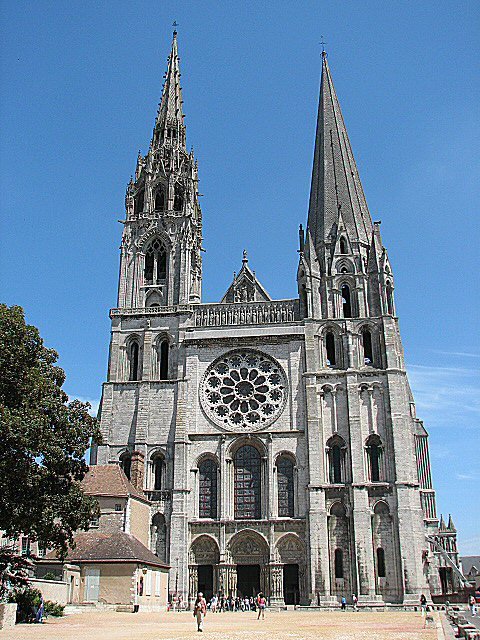
1. The towers are different, asymmetrical, which appeals tremendously to my personal sense of the slightly off-kilter God in all things.


2. The labyrinth.

3. The blue in the stained-glass windows.

4. The soaring height of the interior.

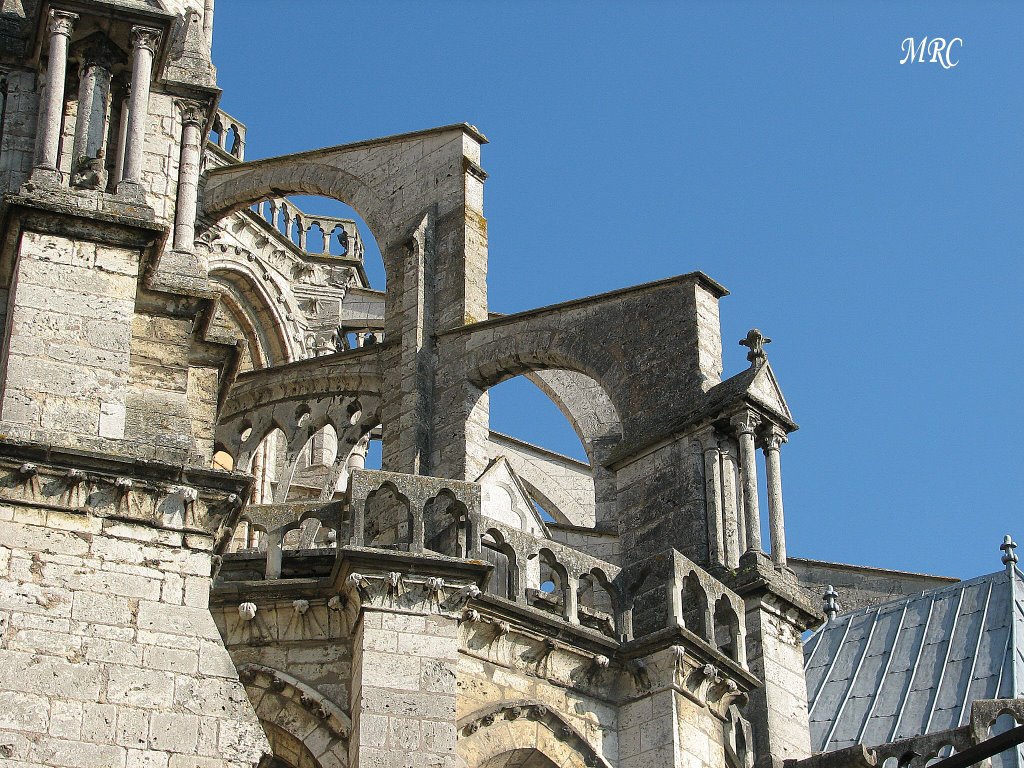
5. The side buttresses.

6. The knowledge that sacred buildings have been built again and again on that same site, which permits it to claim a certain mystery of gravity.

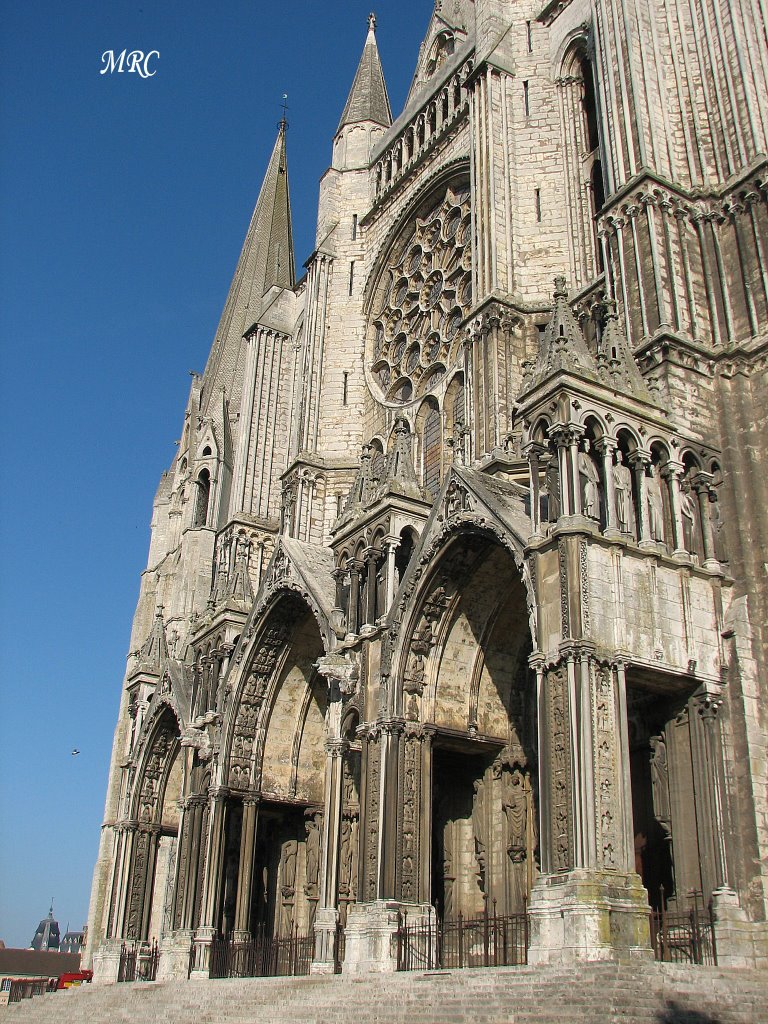
7. The portal sculptures.

8. The choir screen, where the Wise Men look like the Three Musketeers (I think that analogy has to be credited to Rick Steves, but he's right) and Jesus forever draws a line in the sand.

9. The worn stone floor, where pilgrims have walked for 800 years.

10. (New to me) The late night summer light shows that enable us to continue to enjoy the cathedral in the context of 21st century computer artistry.

Sunday, August 06, 2006

Paris Here and There, In No Particular Order

Sunset, around 10:00 pm, and college students congregate on the Pont Neuf for the evening.

A walking street, lined by gardens and located atop an old aqueduct.


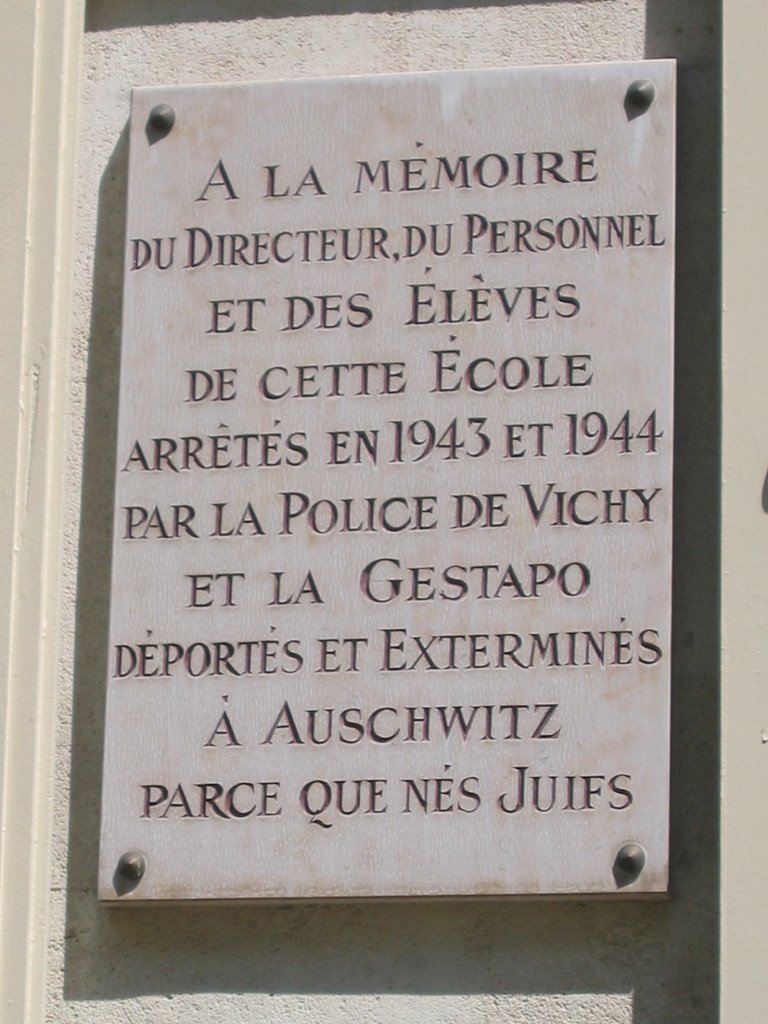
A memorial plaque in the Jewish Quarter. Translation: To the memory of the Director of Personnel and the students of this school arrested in 1943 and 1944 by the Vichy Police and the Gestapo, deported and exterminated at Auchswitz because they were Jews.


There isn't much left to remind us of what some experts call the seminal event in modern European history.

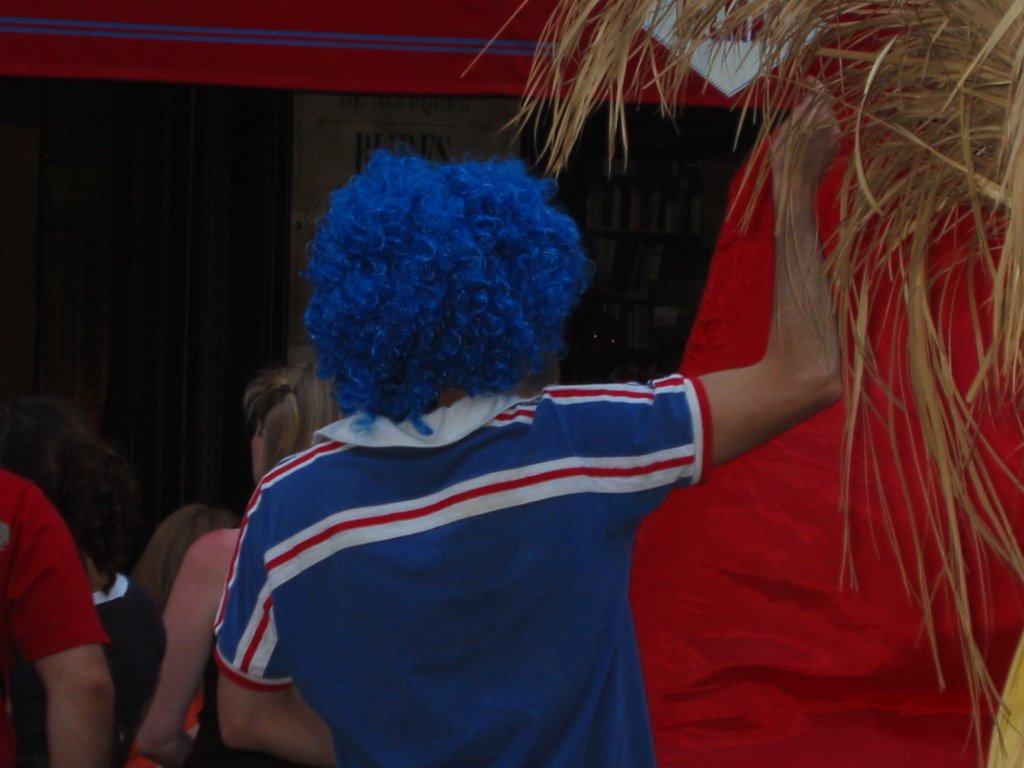
A World Cup celebrant.

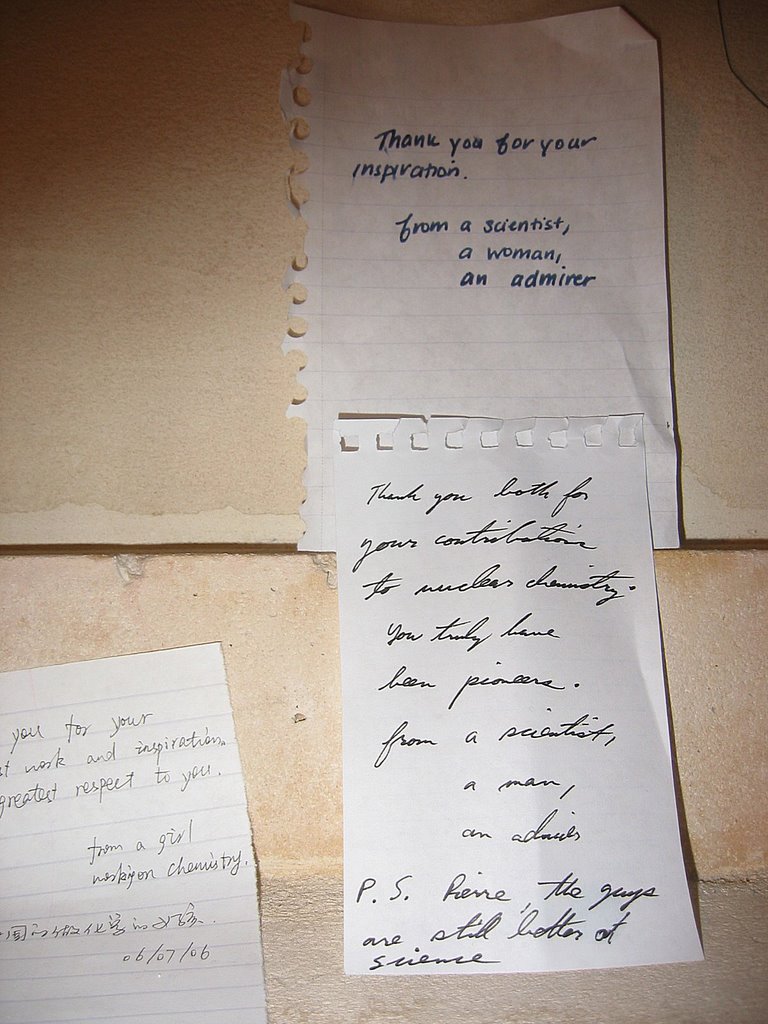
Marie and Pierre Curie are among the luminaries entombed in the Pantheon, along with Voltaire and Rousseau. Next to their tombs, numerous scribbled notes, on metro tickets, sightseeing programs, and other scraps of paper, have been left by people who clearly felt moved to express themselves ~ many of them women scientists and at least one of them a churlish man scientist. The top note reads: "Thank you for your inspiration. From a scientist, a woman, an admirer." The bottom one reads: "Thank you both for your contributions to nuclear chemistry. You truly have been pioneers. From a scientist, a man, an admirer. P.S. Pierre, the guys are still better at science."

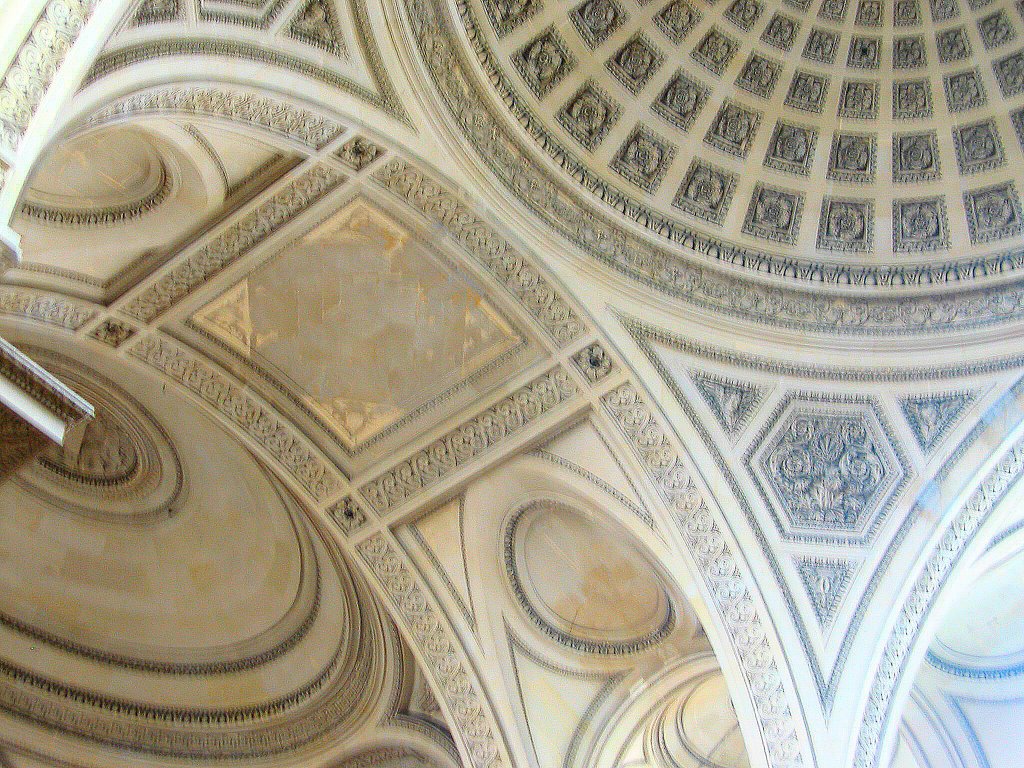
The ceilings of the Pantheon.

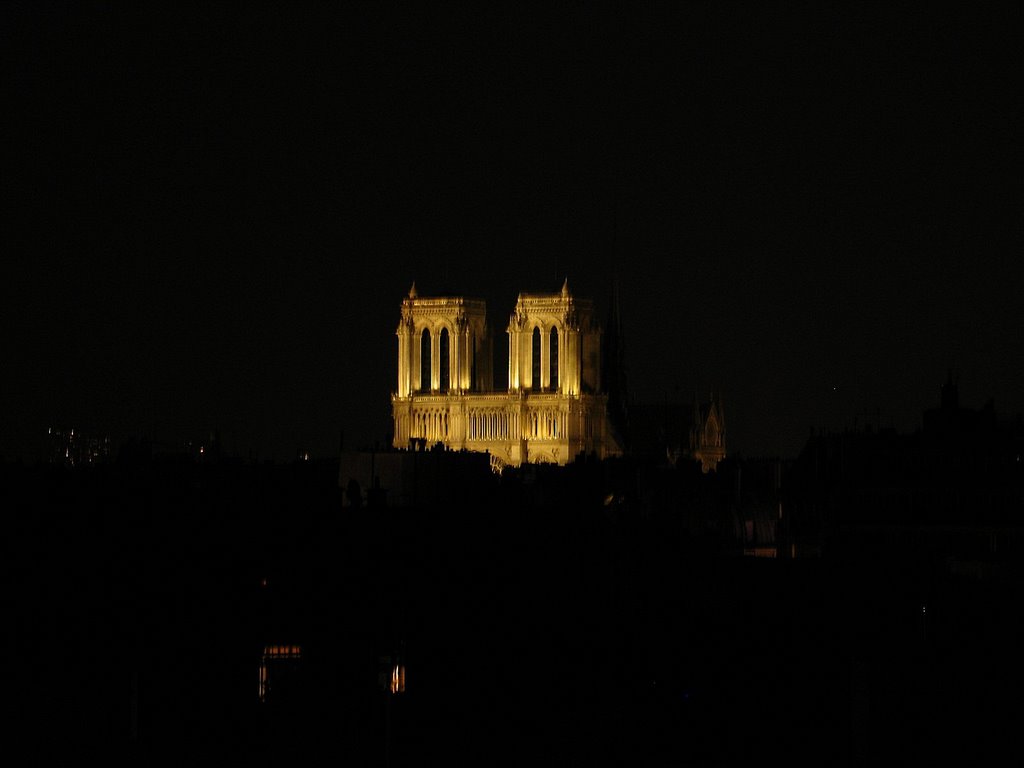
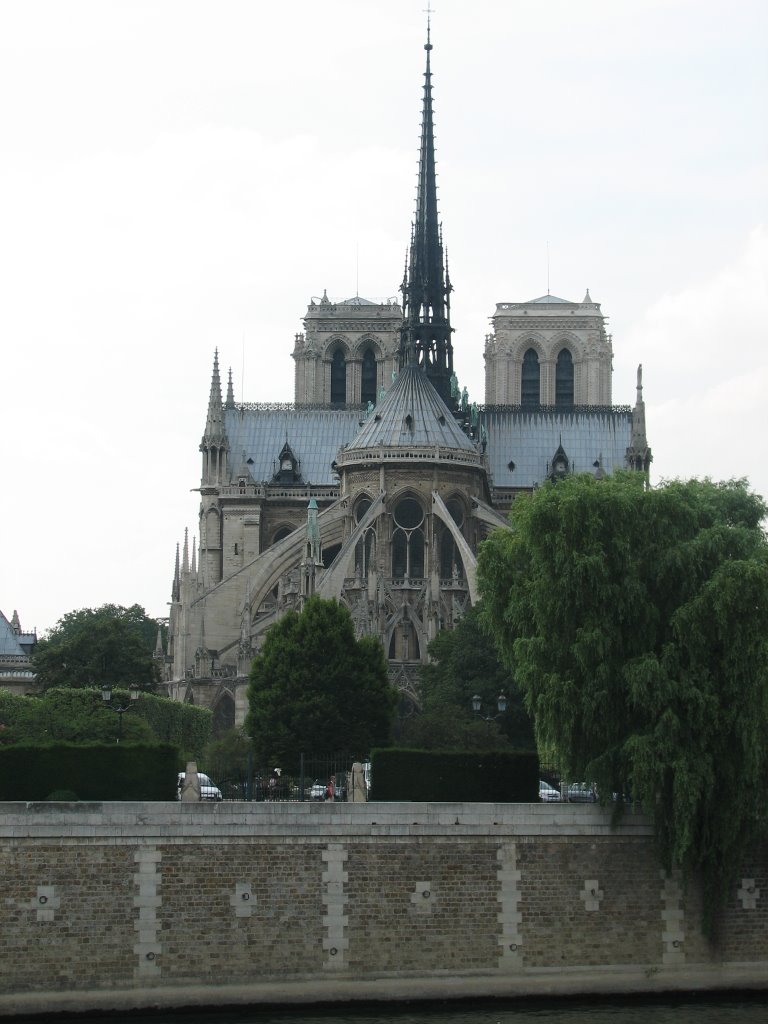
The view of Notre Dame from our hotel room.

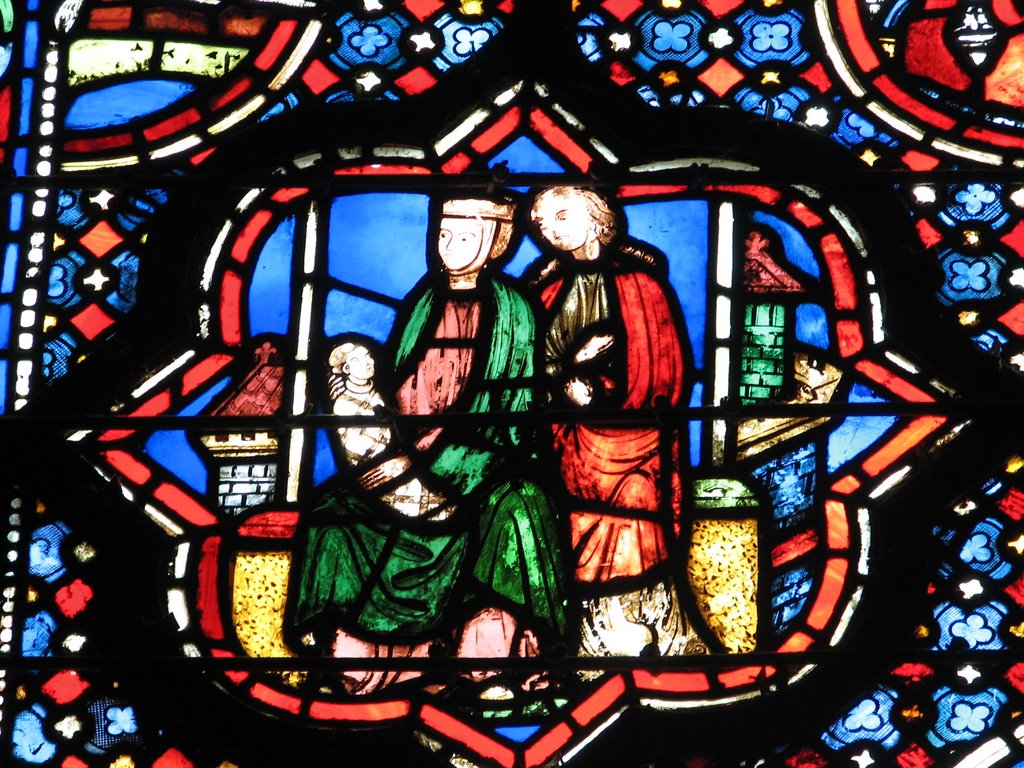
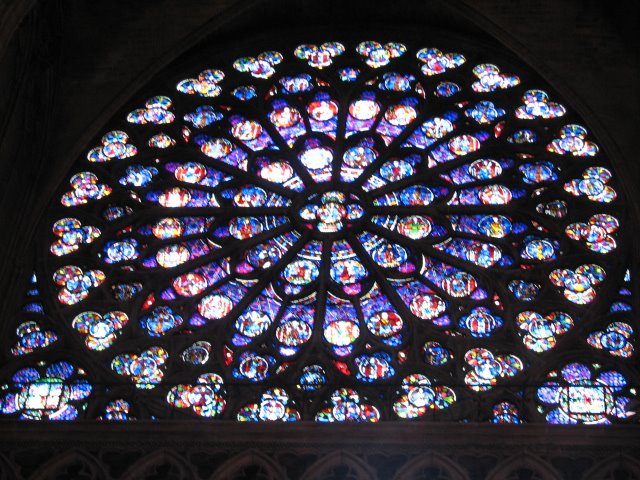
A window at St.-Chappelle.

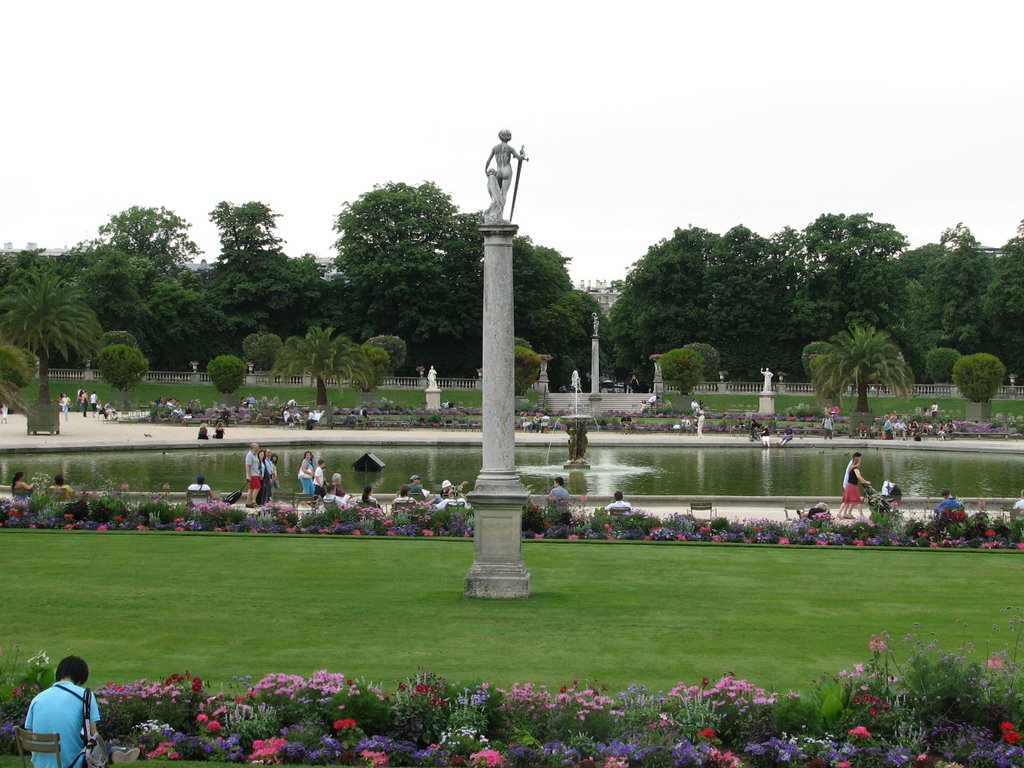
Luxembourg Gardens

The Pantheon from the front. Another victim of the French Revolution, it was originally founded as the Church of St. Genevieve, the patron saint of Paris; turned into the Hall of the Great Men by the revolutionaries, who removed its stained glass windows;and returned to the church by Napoleon, who was eager to aquire Catholic support for his dictatorship. It now serves as a museum and crypt.

Friday, August 04, 2006

I Wish I Were Better At This

One and one-half years ago I made a three-year-commitment to something that matters tremendously to me.

In the past few days an opportunity has opened up for me to do something that could be one of the most joyful and expansive experiences of my life, and probably change it completely, and for the better.

Of course, it would require a one-year commitment that conflicts, day-and-time-wise, exactly with the first commitment. And no, it is not something I could do at a later date. Maybe, but probably not.

Last night, before I found out about the conflict, I was so happy that my feet were barely touching the ground.

Today, trying to sort it out, by seeking advice and trying to work through a discernment process from beginning to end, has been miserable.

I would like to be at peace about this, one way or another.

Thursday, August 03, 2006

Comment Rant

Periodically I go on a tear about how many people stop by this blog (100+ in the last day or so) and leave without so much as a backward glance. But a couple of people have now explained to me that it's the word verification issue that prevents them from commenting.

Here's the deal:

You type in a comment. If a red "X" appears where the word verification should be, then you just click on "Log In and Publish." At that point, the page will probably reappear, this time with an actual word verification that you can type.

I'm sorry about the word verification, but without it, I tend to get spam like "GET LAID HERE!" immediately following my most deeply religious and thoughtful posts.

If you can't think of a comment, here are some possiblities:

"The most beautifully photographed and scintillatingly brilliant piece I have ever seen."

"The most idiotic post I have ever read."

"You are a genius, girl."

"You stupid left-wing progressives are out to destroy both the Presbyterian Church and the world."

Hey, I'm flexible. Have a great day!

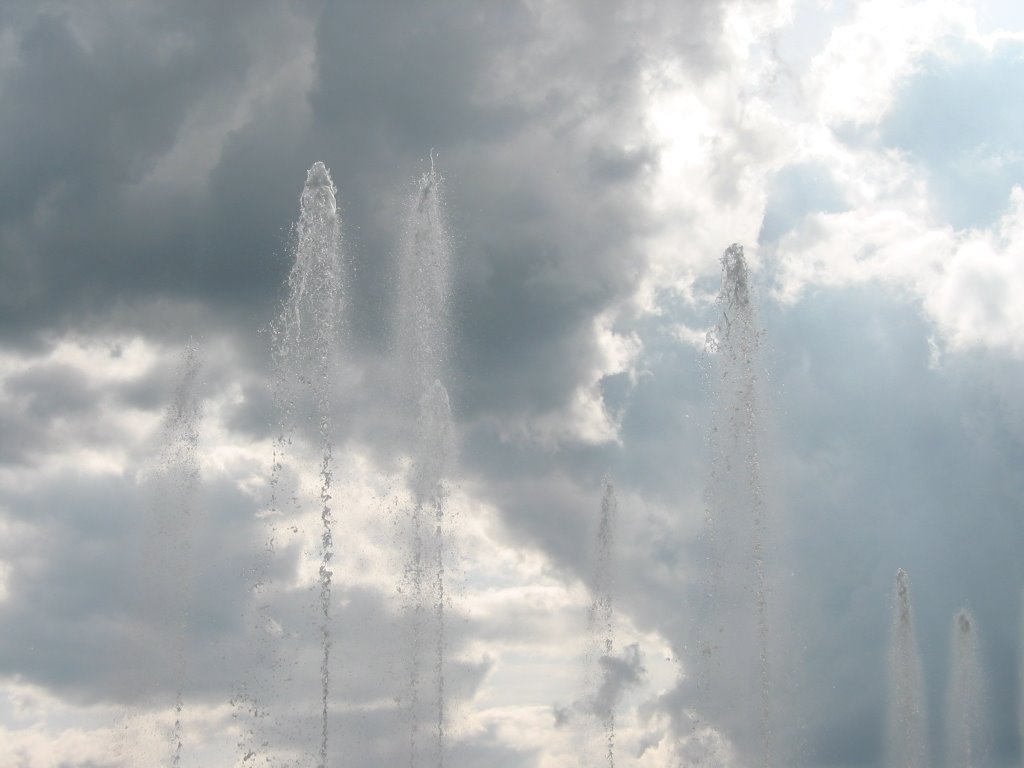
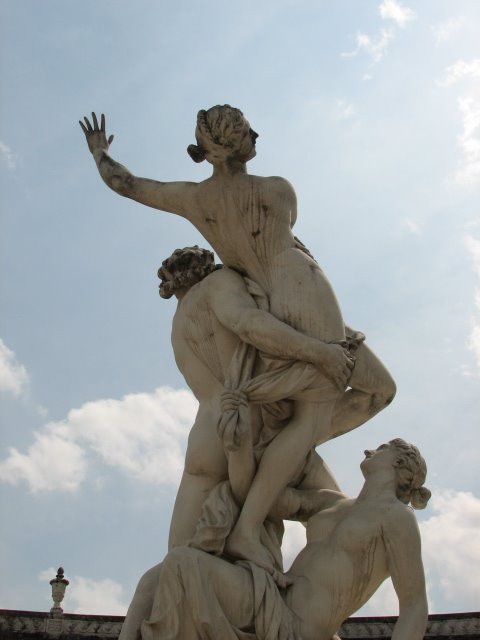
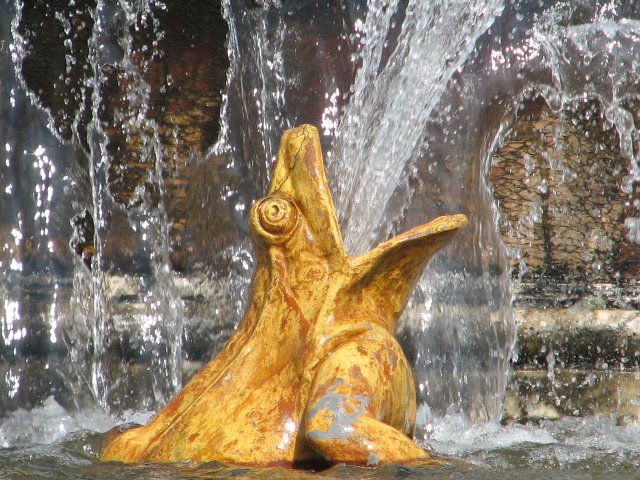
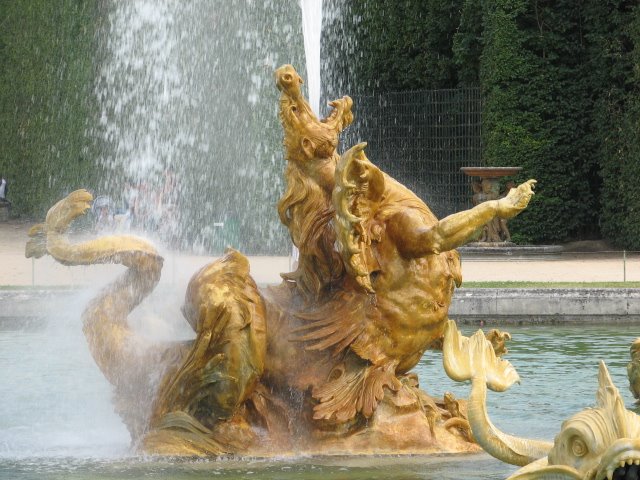
The Fountains of Versailles


Tuesday, August 01, 2006

Notre Dame de Paris Miscellany


I have been impassioned about cathdrals ever since I wandered through my first ones, in Great Britain when I was about 12 or 13.

People respond differently to church architecture. My father has joined exactly one church in his life, the
First Congregational Church in Williamstown, Massachusetts, during his college years, and claims that he was drawn in by the building. It is indeed, a magnificent example of pre-federalist New England simplicity. My current Presbyterian church is similar in form ~ albeit red brick rather than white clapboard ~ and insistent upon its claim to a Western Reserve of Connecticut (otherwise known as northeast Ohio) heritage. Both of them urge upon their congregations the austerity of the Reform and Puritan response to the Catholicism of the medieval and Renaissance periods in European history.

But the lavishness of a cathedral has always beckoned to me. The first church we joined here was a United Methodist congregation with a building modeled after a 13th century French cathedral. When we visit St. Augustine, I go to
Memorial Presbyterian ~ not a cathedral (we don't have bishops in the Presbyterian Church, and a cathedral is the church seat of a bishop), but architecturally reminiscient of one. And given the chance, I will always be more than willing to explore the nooks and crannies, glass and stone, side chapels and altars and columns and windows and archways and crypts, of a cathedral.

This one, Our Lady of Paris ~ built 1163-1345 to honor Mary, the Mother of God ~ suits me just fine.

Sunday, July 30, 2006

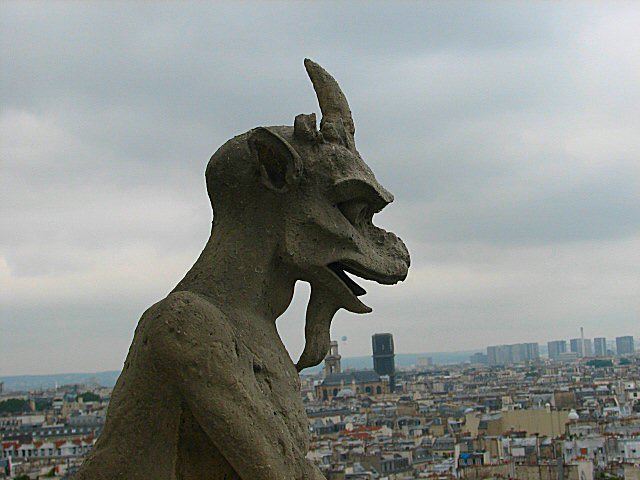
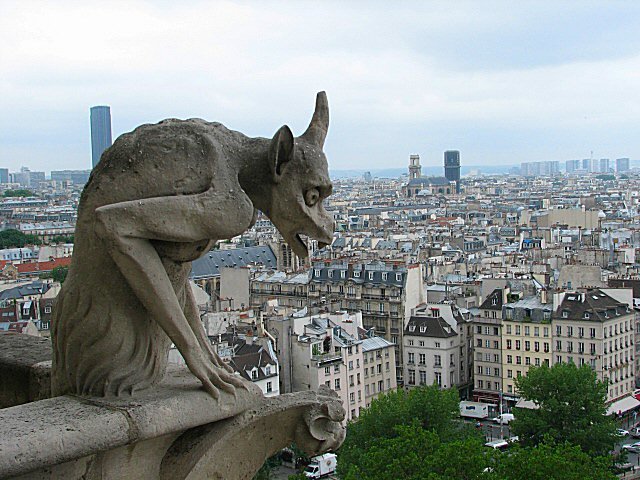
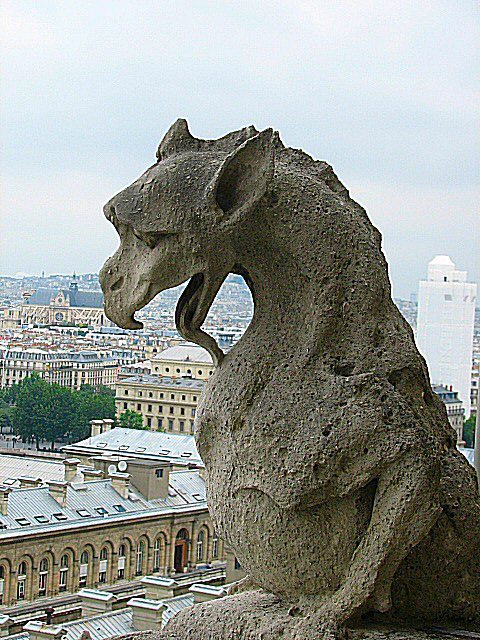
Notre Dame: The Gargoyles


When we walked over to Notre Dame from our Left Bank hotel on our first evening in Paris, I was completely taken aback, even though I've seen it before and knew what to expect. How was something so magnificent ever imagined, let alone created? I felt exactly the way I did when I first saw Michelangelo's David: like crying. Maybe it's because I have no imagination or capacity for creating things in three dimensions; architecture, geometry, sculpture, the mediums of stone and glass -- all beyond me. If the world had depended upon me for the development of shelter in any form, we would all still be huddled in caves, awaiting the full impact of global warming as we did the last ice age. Fortunately, the great cathedrals of Europe, all built within the same few-hundred years' time span, were not dependent upon anyone with my limitations.

Onew of my favorite things about the cathedrals is how they incorporate so much of so many kinds of things -- and the gargoyles are among my favorites of those things. When you visit Notre Dame, you can climb the North Tower, walk across the outdoor balustrade between the towers, and climb up and down the South Tower. Up on top, you can see the upper ranges of the cathedral, you can scan the rooftops of Paris, and you can make friends with the gargoyles.