It's sinking in with a heavier weight than ever before.
The Lovely Daughter is in the air somewhere, coming home for Thanksgiving only because her oldest brother is not.
Last year, he did come home, with The Elegant Girlfriend. And for the several years before that, we joined him in Chicago.
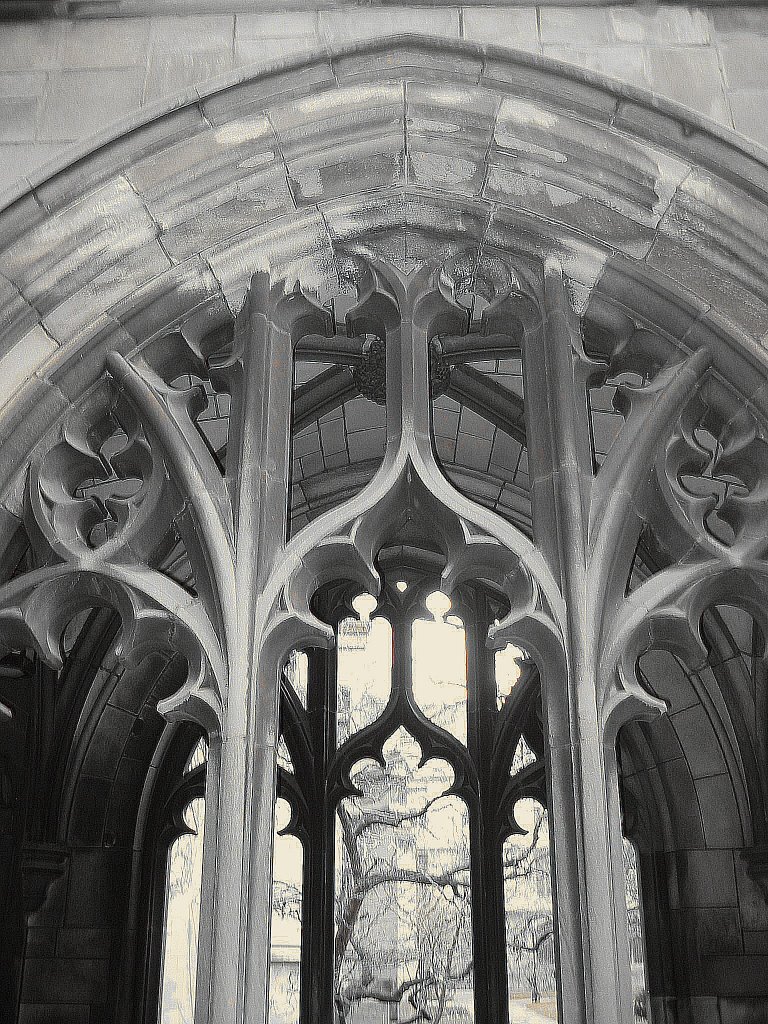
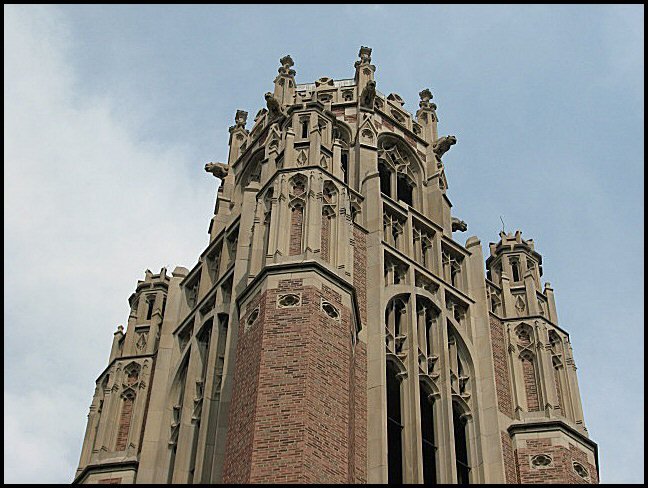
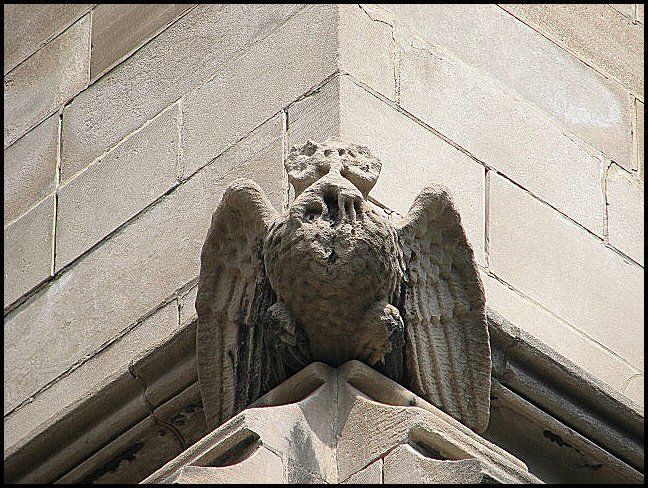
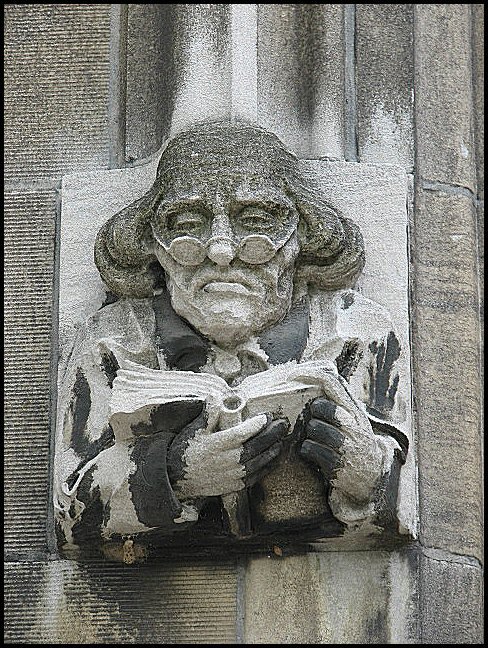
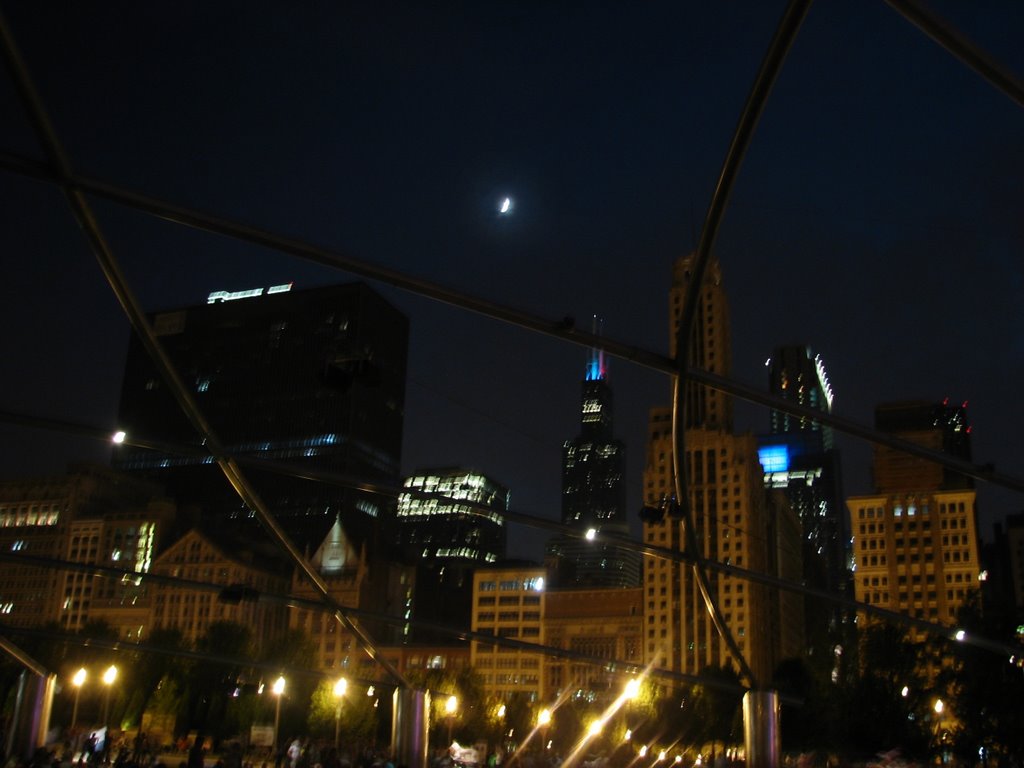
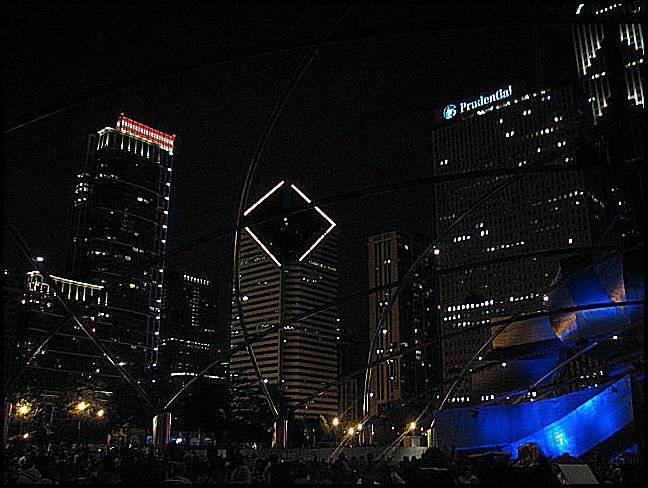
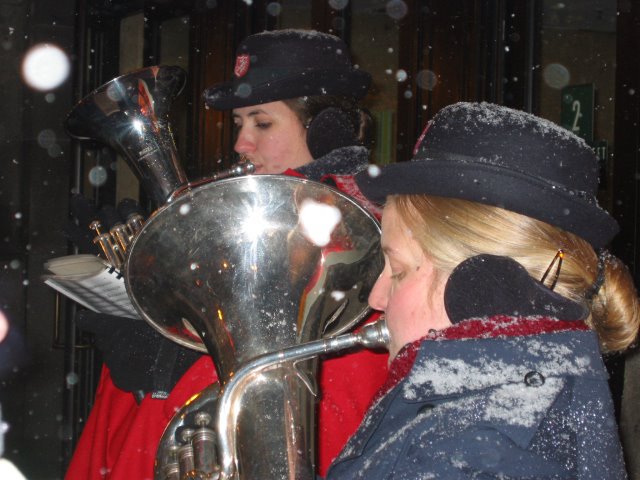
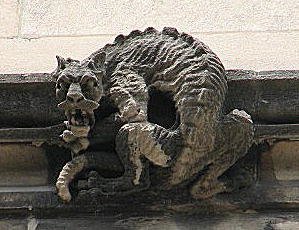
Thanksgiving has come to mean the snow falling in front of Marshall Fields' windows, the view from the top of the Sears Tower, the narrow streets of Hyde Park, and the University of Chicago's gargoyles. It has meant hope, as our family's young adult children reunited, reconfiguring relationships and bringing new partners into the fold on the cusp of the much greater hope of Advent.
Now it means endurance.
*******
Late this afternoon I went to the Carmelite monastery, because a Montessori mom of long ago was having the Mass said for Chicago Son. Just as the prayers began and his name was read, another Montessori mom -- and the Lovely Daughter's first and second grade teacher --tramped in from the slush. She had never been to the Carmelites' before, but today for no reason at all she chose to arrive just in time to wrap me in her arms. I had thought that I would be all right, but I wasn't. Thank God for her decision tonight.Afterward, a few people offered what they thought were words of comfort.Endurance.
********
I look around town and around the blogosphere and I see that, ready or not, the holidays are upon us. Thirty-eight days until January 2. Seems like a long time until this season comes to an end. I thought that maybe I would try to write my way through Advent, but now I think not. The metaphors that come to mind to describe my outlook are too raw for public consumption.
Lent cannot come soon enough for me.
Endurance.
********
And finally, for those of us for whom Advent this year will be a constant reminder of the hope that we long to find in its fullest meaning, I offer this, picked up on The Mercy Blog:
Give me your failure; he says I will make life out of it. Give me your broken, disfigured, rejected, betrayed body, like the body you see hanging on the cross, and I will make life out of it. It is the divine pattern of transformation, and it never seems to change.
We'll still be handicapped and terribly aware of our wound, but as St. Augustine says, "In my deepest wound I see your glory and it dazzles me." Our wound is our way through. Or as Julian (of Norwich) also put it, at the risk of shocking us, "God sees the wounds, and sees them not as scars but as honours… For he holds sin as a sorrow and pain to his lovers. He does not blame us for them." (Chapter 39, Showing 13, Revelations of Divine Love) We might eventually thank God for our wounds, but usually not until the second half of life.
Richard Rohr, from Everything Belongs